The Fundación Centro de Estudios Andaluces (CENTRA) is a public, non-profit research institution linked to the Regional Government of Andalusia (Spain). It specializes in applied social research in the fields of social sciences and humanities analysing the social, economic, political and cultural development of Andalusia within the Spanish and European context.
CENTRA’s research covers public opinion and social attitudes, quality of life and wellbeing, housing, employment, inequality, migration, youth and education, gender equality, environmental attitudes, digital society, political participation, trust in institutions and democratic governance. Through initiatives such as the Andalusian Public Opinion Barometer, CENTRA regularly examines citizens’ priorities and their perceptions of the social, economic and political situation. It also develops research programmes on social change, family life, youth and civic attitudes, providing evidence to support public policy and decision-making.
At European level, CENTRA works mainly in the fields of democracy and governance, inclusive societies, cultural heritage and digital transformation. Its European projects promote the defence and further development of European democratic values, including human dignity, freedom, equality, pluralism, participation, respect for fundamental rights and the rule of law. Projects such as HATEDEMICS and ECLIPSE address hate speech, disinformation, polarisation and the manipulation of public debate. They combine social and behavioural research with artificial intelligence, digital education, stakeholder engagement and policy recommendations. Their purpose is to strengthen critical thinking, protect fundamental rights, support civil society and public authorities, and increase the resilience of citizens and professionals against threats to democratic coexistence, both online and offline. With a multidisciplinary team of researchers, analysts, project managers and administrative staff, CENTRA contributes to European consortia through survey design, quantitative and qualitative research, data analysis, policy evaluation, stakeholder involvement, training, dissemination and the translation of research findings into practical recommendations. CENTRA also manages the Museum of Andalusian Autonomy, a cultural and educational institution dedicated to the history of Andalusian self-government, civic education and the promotion of democratic culture. Through its exhibitions, educational programmes and public activities, the Museum encourages active citizenship, knowledge of democratic institutions and commitment to the shared values on which the European project is founded.
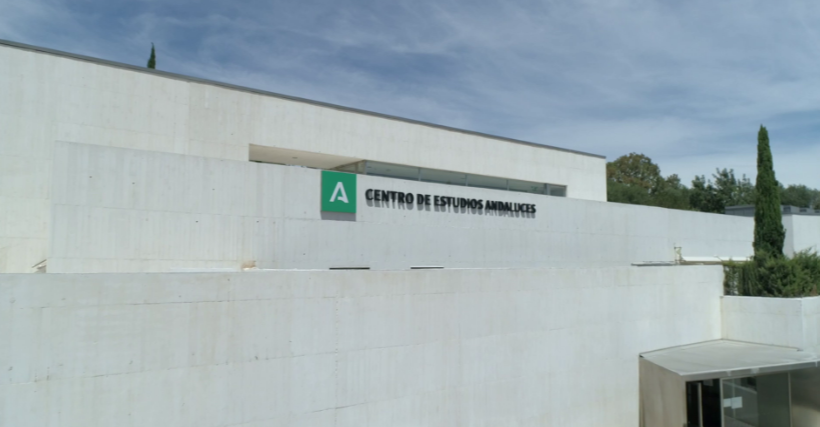
Located in the municipalities of La Puebla and Coria del Río, that includes the Museum of Andalusian Autonomy, the Blas Infante House and the Andalusian Historical Memory Research Centre.

Located in the city centre of Seville
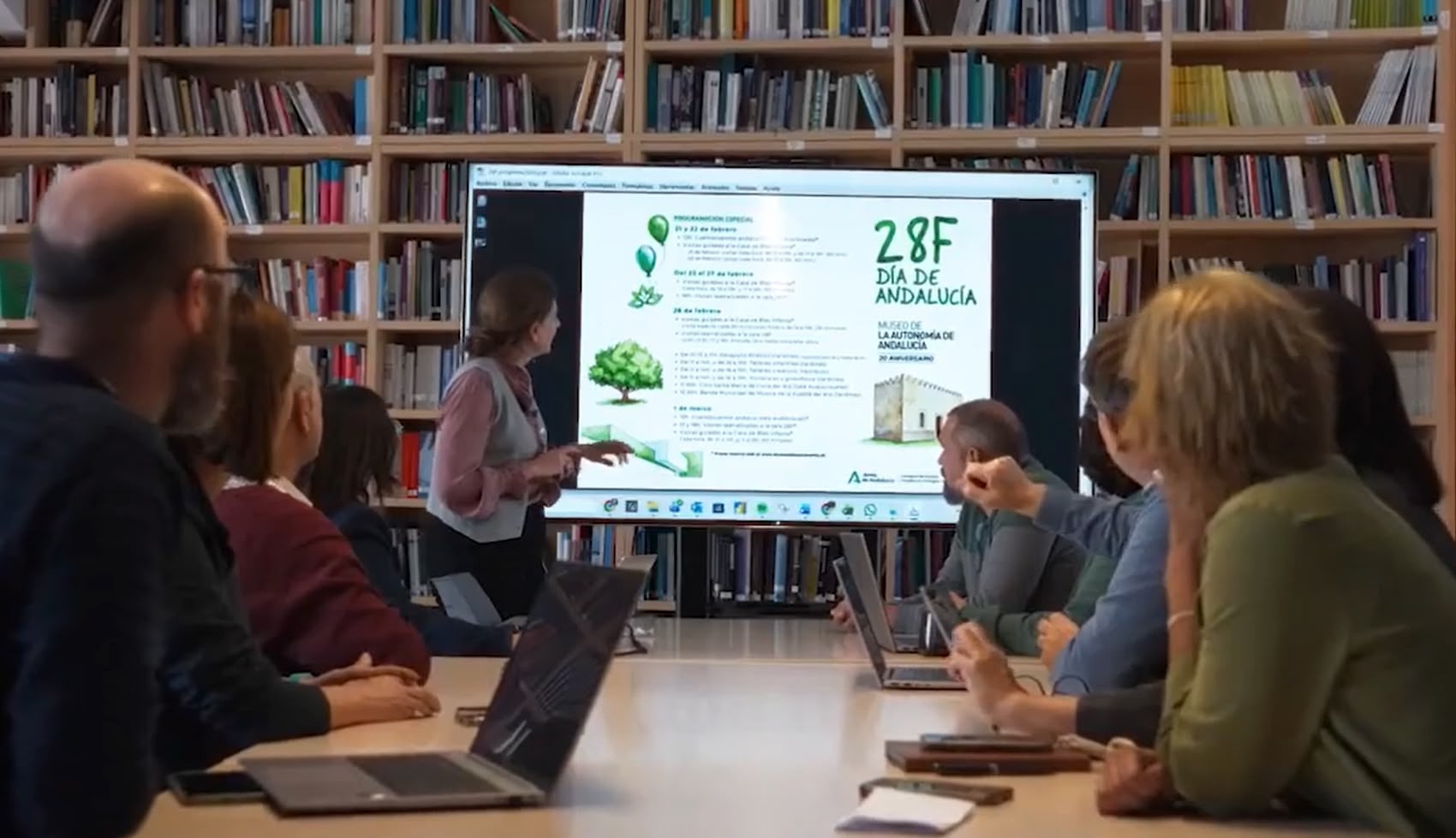
CENTRA has substantial experience in the analysis of social transformations, public opinion, and democratic participation, with a special focus on the effects of disinformation and emotional manipulation on civic life. The foundation has led or contributed to several projects exploring youth political engagement, digital literacy, gender-based inequalities, and the psychosocial dimensions of misinformation.
Is the only initiative for the systematic study and measurement of public opinion in the Andalusian Autonomous Community. Published quarterly, it allows us to know the opinion of the Andalusian population on issues of social, economic and political interest. In this sense, it enables the continuous evaluation of the perception and assessment of certain sociopolitical indicators for a given period, while offering extensive social and demographic information for analysis.
CENTRA leads a dedicated programme monitoring social trends such as inequality, family evolution, youth, and civic attitudes, with strong policy relevance.
It seeks to build a new and renewed interpretation of the History of Andalusia, moving away from biased and stereotyped arguments that still persist in the collective imagination, while also advancing research into the democratic period in Andalusia and its leading figures.
This work provides a comparative analysis of sociopolitical changes in Andalusian society within Spain and neighboring societies over two decades. It explores the underlying factors driving these changes and their impact on citizens amidst global challenges like the financial crisis of 2008 and the COVID-19 pandemic. The analysis underscores a growing disconnect between citizens and political institutions, revealing deep-seated issues in representation and governance.
This study explores how Andalusian women perceive the balance between family life and employment, highlighting structural gender inequalities and shifting social expectations.
A comprehensive study combining qualitative and quantitative data to analyse how Andalusian families experience relationships, parenting, and social change.
This research focuses on care dynamics, gender gaps, and the impact of employment structures on reconciliation and family well-being.
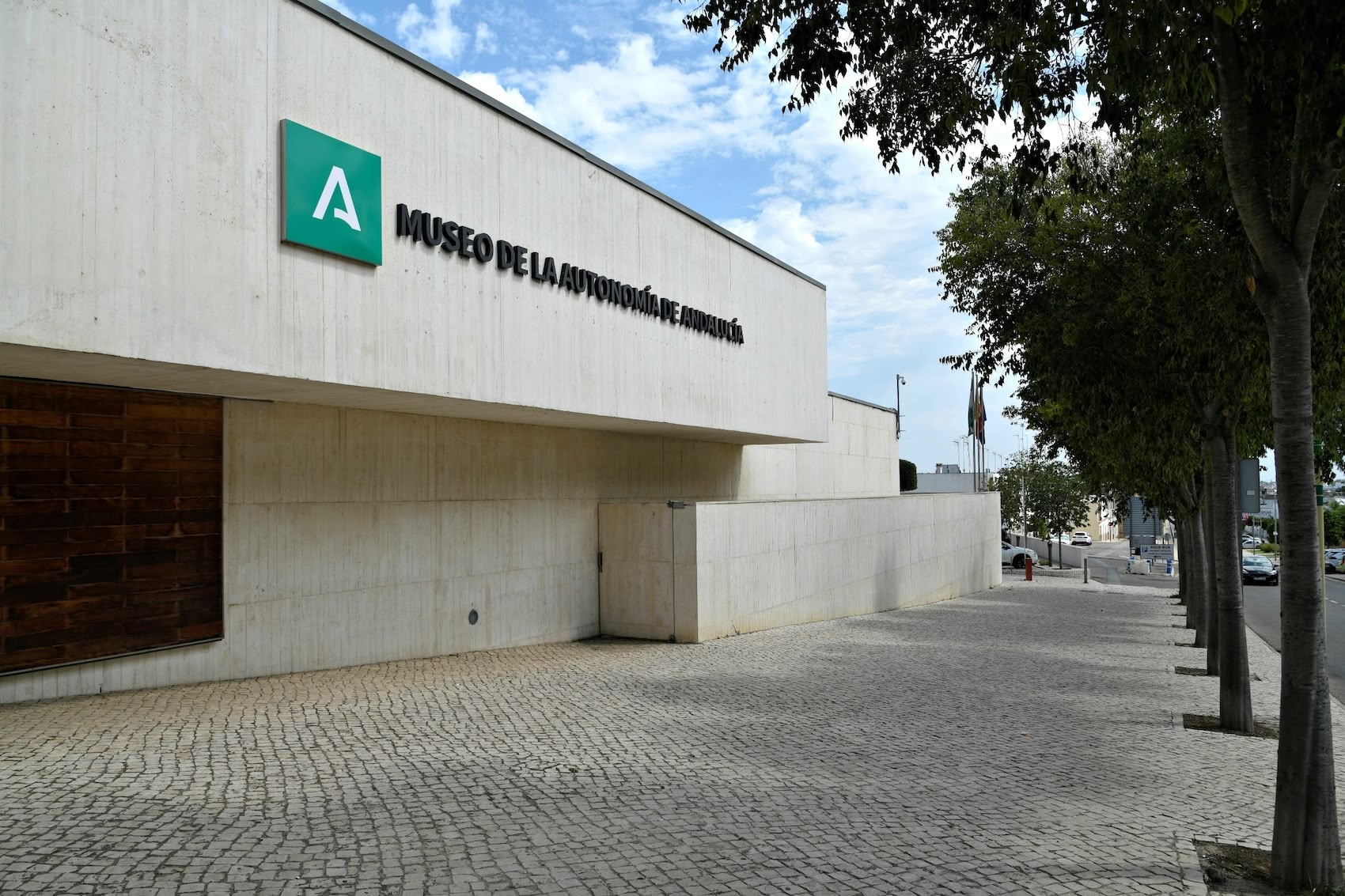
This educational and cultural venue explores the history of Andalusian autonomy while promoting democratic and civic values. Its facilities include several spaces for hosting events and activities, such as a multimedia and audiovisual room, a temporary exhibition hall, and versatile areas for workshops, presentations, and public events.
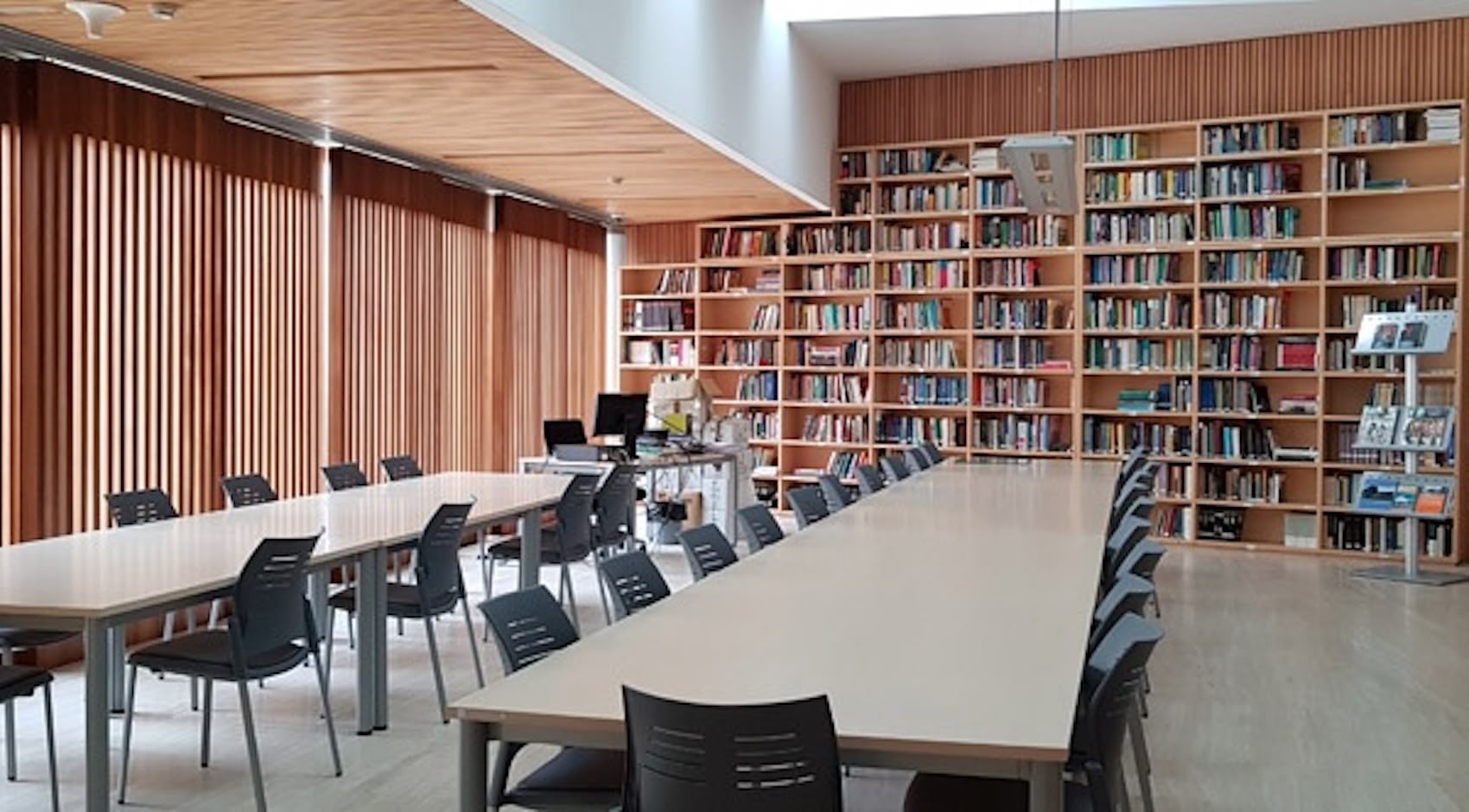
The Foundation has a specialist library in the Social Sciences and Humanities, open to researchers for reference and lending services. The library also serves as a venue for educational events and activities.
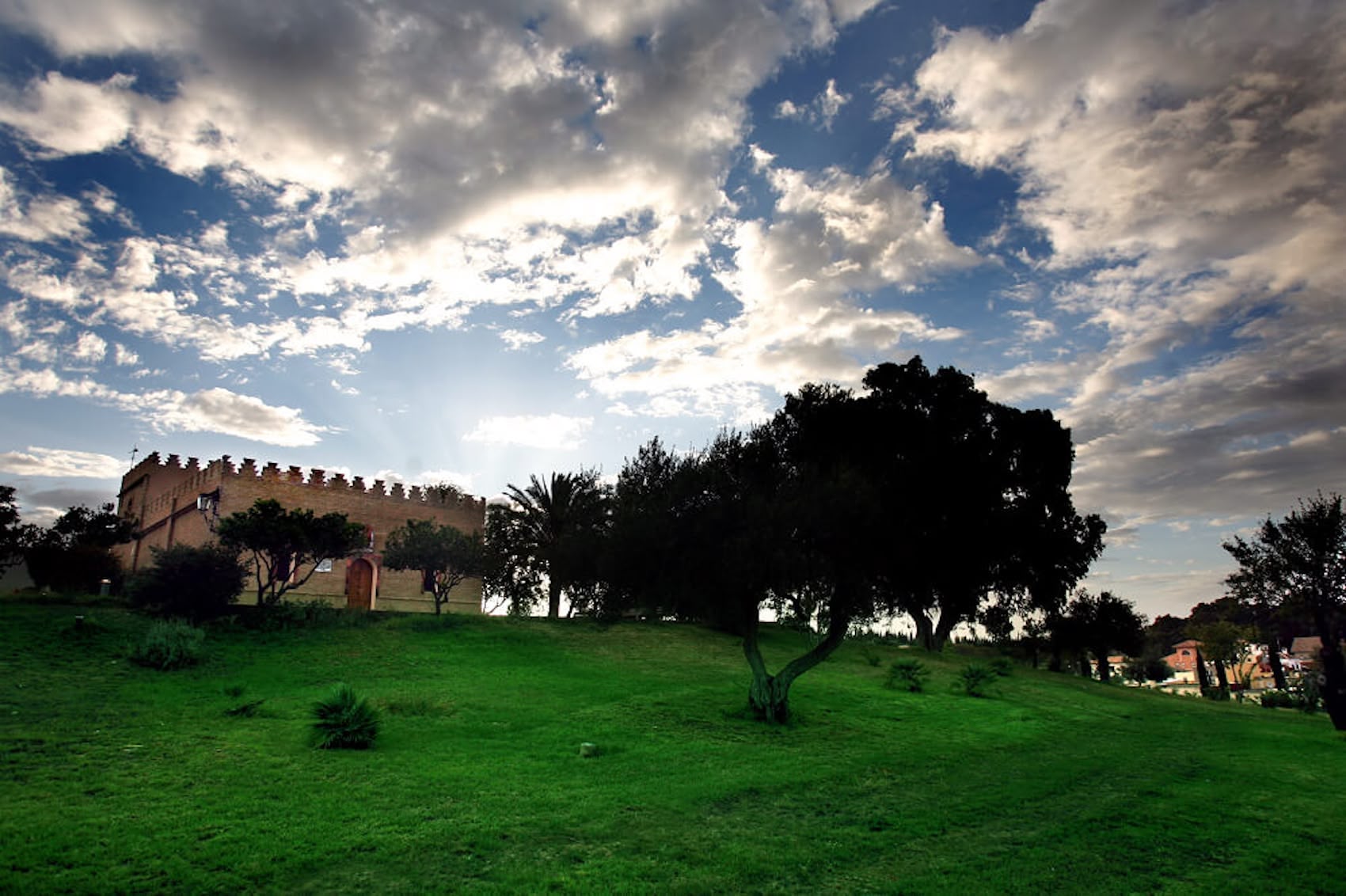
Covering approximately 20,000 square metres, this natural space is home to a wide variety of trees and shrubs characteristic of the Andalusian landscape. The gardens host educational activities related to nature, as well as cultural events such as concerts and presentations.
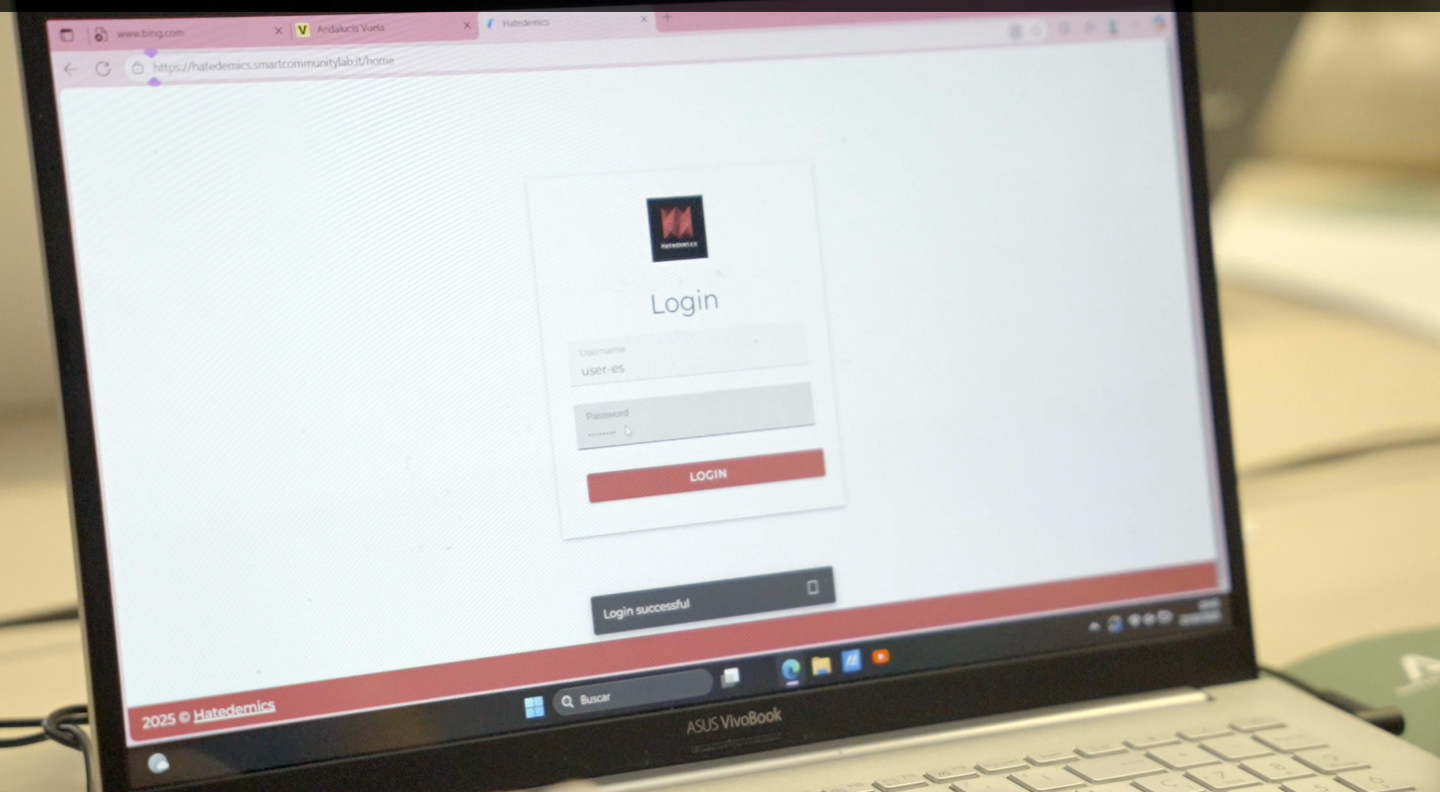
Courses, webinars and conferences are held on this training platform. It has capacity for 100 people per virtual room, expandable to 500 people.
| L | M | X | J | V | S | D |
|---|---|---|---|---|---|---|
|
1
|
2
|
3
|
4
|
|||
|
5
|
6
|
7
|
8
|
9
|
10
|
11
|
|
12
|
13
|
14
|
15
|
16
|
17
|
18
|
|
19
|
20
|
21
|
22
|
23
|
24
|
25
|
|
26
|
27
|
28
|
29
|
30
|
31
|
|